
Upholstery plays a significant role in the comfort and aesthetics of your home or office. Whether it’s your favorite sofa, office chair, or any other furniture, clean upholstery can instantly refresh a room. However, cleaning your upholstery is not as simple as it might seem. Hiring the right professionals is essential to avoid damage, ensure a deep clean, and prolong the life of your furniture. If you’re on the lookout for upholstery cleaners near me, asking the right questions before booking can help you make an informed decision and ensure you receive the best possible service. By knowing what to ask, you can avoid common mistakes when choosing upholstery cleaners near me and ensure your furniture is in safe hands
We’ll explore the top questions you should ask local upholstery cleaners to ensure you hire the best upholstery cleaning service for your needs. These questions will guide you through the process of selecting a company that meets your expectations and provides excellent results.
Introduction
Upholstery cleaning is more than just a regular cleaning task; it’s about maintaining the integrity and appearance of your furniture. Over time, dirt, stains, allergens, and dust accumulate in upholstery, which can affect its look and even its lifespan. Choosing the right professionals can make all the difference in restoring your furniture to its original state.
Asking the right questions helps ensure you are getting high-quality service, transparency in pricing, and a job done correctly. These questions will help you feel confident and informed when choosing the right upholstery cleaning professionals.
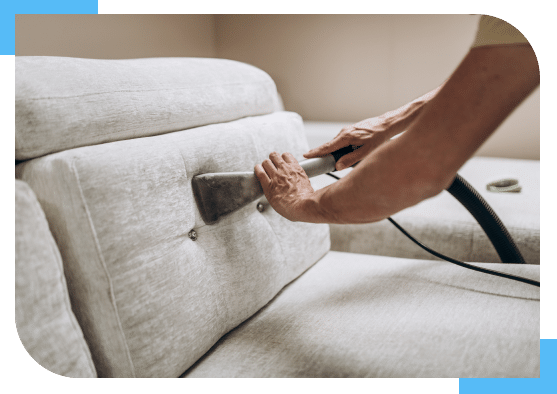
Top Questions to Ask Upholstery Cleaners
1. What Cleaning Methods Do You Use?
These questions are especially helpful if you’re comparing several upholstery cleaners near me if you need a reliable way to choose the best one. Upholstery fabrics come in various types, including leather, velvet, microfiber, and more. Different fabrics require different cleaning techniques to ensure that they are cleaned safely and effectively without causing damage.
The best upholstery cleaning services will use eco-friendly, safe, and effective cleaning methods tailored to the fabric type. For instance, steam cleaning or hot water extraction may be recommended for certain materials, while dry cleaning methods may be better suited for others. Make sure the company uses methods that are safe for both the fabric and your household or office environment, especially if you have children or pets.
2. Are You Licensed and Insured?
One of the most important questions to ask any local upholstery cleaners is whether they are licensed and insured. A licensed company adheres to industry standards, and having insurance ensures that you are protected in case of any accidents or damages during the cleaning process.
Hiring an insured cleaner can protect you from liability if something goes wrong—whether it’s an accident during cleaning or damage to your furniture. It’s always safer to work with professionals who are adequately covered in case of any unforeseen circumstances.
3. What Is Your Experience with Cleaning Specific Fabrics?
Many upholstery cleaners near me claim to handle all fabrics, but it’s always best to ask for examples For example, cleaning leather upholstery requires different care than cleaning delicate fabrics like velvet or microfiber.
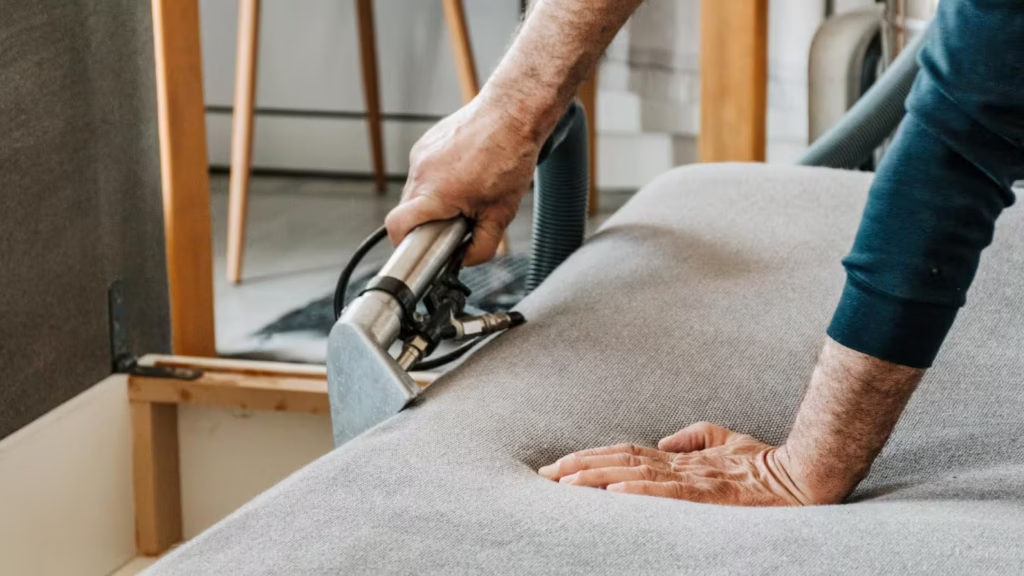
It’s important to ask if the company has experience cleaning the specific type of upholstery you have. A professional cleaner with experience in your fabric type will be able to handle the job more effectively and avoid any risks of damage or inadequate cleaning.
4. Do You Offer a Satisfaction Guarantee?
A satisfaction guarantee is an essential aspect of any reputable upholstery cleaning service. Before booking, ask whether the company stands behind its work with a satisfaction guarantee. If you’re not happy with the cleaning results, the company should be willing to re-clean the upholstery at no extra charge.
This guarantee provides peace of mind, ensuring that you don’t pay for subpar results. If a cleaner is unwilling to offer a satisfaction guarantee, that could be a red flag.
5. What Is the Estimated Cost, and Are There Any Hidden Fees?
Transparency in pricing is key to avoiding any unpleasant surprises after the job is complete. Ask for a detailed breakdown of the pricing before booking. Reputable upholstery cleaners will provide a clear estimate that includes all costs associated with the cleaning process.
Make sure to inquire about any potential hidden fees, such as travel costs, additional charges for stain removal, or fabric treatment. It’s important to understand exactly what you are paying for to ensure that the price matches the service you’ll receive.
6. How Long Will the Cleaning Take and When Can I Expect My Upholstery to Be Ready?
Time is often a critical factor for many homeowners and office managers. Be sure to ask how long the cleaning process will take and when your upholstery will be ready for use again. The company should provide a reasonable timeline based on the size and condition of the upholstery.
For instance, if you’re cleaning a large sectional sofa, the process may take longer than cleaning a single armchair. Ensure the company can provide a realistic estimate and deliver the service on time.
7. Can You Provide References or Reviews from Past Customers?
Checking a company’s reputation is an essential step in finding the right upholstery cleaner. Ask if they can provide references or reviews from previous customers. Positive feedback from others is a good indicator that the company delivers reliable and high-quality service.
You can also search for online reviews on independent platforms like Google, Yelp, or social media to gather additional insights. A reputable cleaner will have a trail of satisfied customers that you can verify.
8. Do You Offer Any Pre-Cleaning Advice?
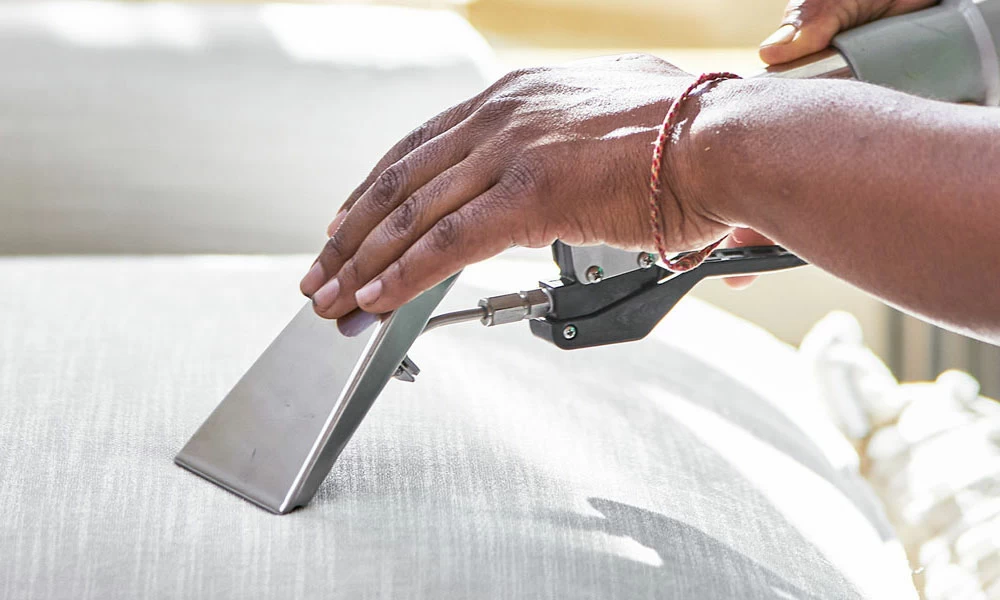
Many professional upholstery cleaners offer tips or advice to help you prepare your furniture for cleaning. Ask if there are any steps you can take before the cleaning to make the process more efficient, such as removing small items from the upholstery or vacuuming beforehand.
Taking these simple steps can help the cleaning go more smoothly and might even reduce the overall cost.
Why These Questions Matter
Asking these questions ensures that you are hiring a qualified, professional upholstery cleaner who is capable of meeting your needs. Here’s why each of these questions is essential:
- Cleaning methods ensure that the right approach is used for your fabric.
- Licensing and insurance protect you from liability in case of any issues.
- Experience with specific fabrics guarantees specialized care for your upholstery.
- Satisfaction guarantees provide reassurance that the job will be done right.
- Clear pricing helps avoid unexpected costs and ensures transparency.
- Estimated timeframes allow you to plan accordingly and avoid inconvenience.
- References and reviews provide peace of mind that the service is reputable.
- Pre-cleaning advice can improve the efficiency of the job and reduce the time it takes.
By asking these questions, you increase your chances of hiring a reliable and competent cleaning service. It also helps you avoid common pitfalls, such as hiring a company with poor customer service, hidden fees, or inadequate cleaning methods.
Conclusion
When searching for upholstery cleaners near me, it’s crucial to make an informed decision by asking the right questions. These questions will help you determine whether a cleaning company is trustworthy, capable, and transparent. By doing your due diligence and ensuring that you’re hiring the best upholstery cleaning service, you’ll get the results you want and avoid disappointment.
Whether you’re a homeowner, office manager, or renter, taking the time to ask these key questions will empower you to make the best choice for your upholstery cleaning needs. Don’t rush the process—choose wisely, and you’ll be rewarded with beautifully clean and well-maintained furniture that enhances your space.
For more expert advice on upholstery cleaning and other related topics, check out my insights and tips on Quora. I share in-depth knowledge to help you make the best decisions for your home or office. Visit my Quora page now for more helpful information and get all your questions answered!
